
Artist Spotlight: Ksalba
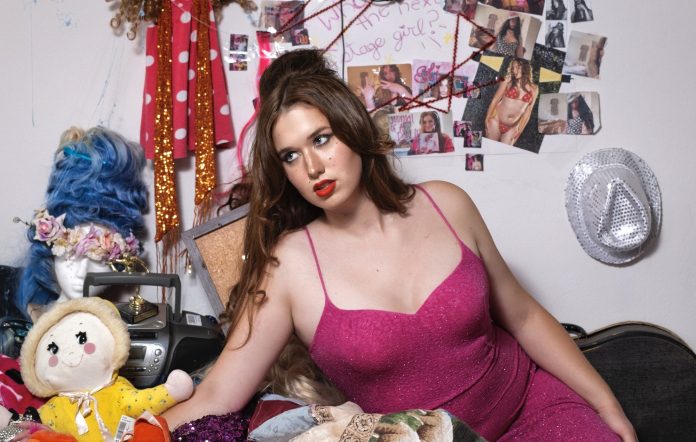
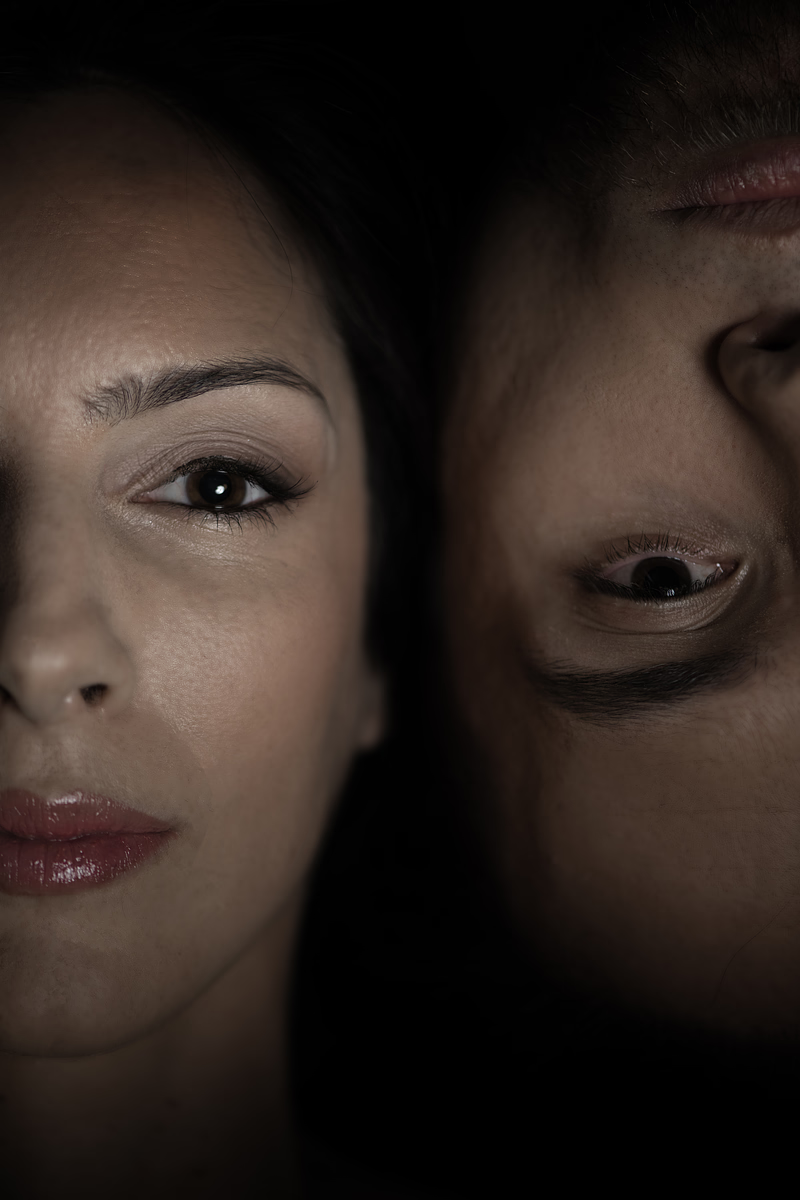
Ksalba is a musical duo from Bulgaria that creates dark pop. A separate musical project from their band Grimaze, their ominous and brooding production paired with lyrics that reflect on what some consider negative emotion is an atmospherically immersive experience for all their listeners.
In this exclusive Q&A, Ksalba blends diverse musical influences. Staying true to their creative vision, Ksalba continues to create music that connects with listeners on a deeper level.
Eye On Pop: Who are your biggest musical influences?
George: We draw musical influences from many different aspects of life as well as many artists that we enjoy spanning different genres ranging from indie rock to blues, progressive, death metal and electronic. The biggest influence how ever always comes from within each of us.
Melina: We both listen to a lot of different music, and those influences find their way into Ksalba in different ways. Pantera, Gojira, Black Sabbath, Jimi Hendrix, Led Zeppelin, Red Hot Chilli Peppers are some of the artists I have listened to the most. I am drawn to music that has weight and emotion, whether it’s a heavy riff or a quiet, atmospheric moment. But the most personal part comes from what each of us brings into the room - what we’re feeling, what we’ve lived through and how we respond to each other’s ideas.
Eye On Pop: What’s the story behind your favorite song you’ve written?
Melina: Every song on Reaching for Darkness has its own story. “A Girl Like Me” started with a loop George had made but wasn’t sure how to develop. He was hesitant to send it to me because he usually prefers to share more complete ideas.
I didn’t connect with it at first, but I kept an open mind and approached it with curiosity. Through a lot of experimentation and back and forth, it took us in a direction neither of us expected and gradually became “A Girl Like Me.” It’s now a favourite of us both. That’s part of what makes it special to me: I didn’t like it immediately, but giving it time allowed me to develop it into something I truly love now.
Eye On Pop: What do you enjoy doing when you’re not making music?
George: Music is a big part of our everyday life. When we are not working on Ksalba, Melina and I record, produce and mix other bands at the studio where we both work here in Bulgaria. I enjoy being part of someone else’s creative process - it often gives me a fresh perspective on my own.
Outside of music, we love spending time in nature, especially in the mountains. We love sports. We also value quiet moments when we reflect on our experience.
Eye On Pop: How do you manage stress and maintain mental well-being?
George: Challenges and stress in life are inevitable. However, we always try to avoid things that we find distract us from what we deem important in life. Being surrounded by the people we love, doing the things that we find value in and finding time for ourselves are always the things that help us maintain our well-being.
Melina: Surrendering some control always helps with stress. I remain intense in all my activities but I am not as attached as I used to be when I was in my younger years. Now, when I feel myself getting caught up in a struggle, I can usually step back and return to my core where everything is calm.
Eye On Pop: Where do you find inspiration for your lyrics and melodies?
Melina: My emotions are quite close to the surface, so that’s usually where I begin. I listen to the piece we’re working on and let myself respond to it. Often, it brings up something I’ve felt before or am going through at that moment and I simply give the feeling a voice.
Eye On Pop: What comes first for you: the music or the lyrics?
Georgе: The process is never the same. Ideas sometimes start with a chord progression, other times with a drum beat or a bass line. Music and lyrics usually come and evolve together, complimenting each other, merging and meeting in the middle to creating something that is more than the sum of their parts.
Eye On Pop: What’s the concept behind your latest album?
George: Each song has its own world, but together they explore different sides of the same inner landscape.
Melina: Although the album is called Reaching for Darkness, it’s about bringing hidden parts of ourselves into the light. Integrating the shadow, inviting it on the stage.
We have done some inner work through the songs, we have incorporated some intense feelings inside of them and the process felt healing for us. Maybe another person in another country will hear the album, click with the emotional imprint and make sense of their own inner world, feel a little more understood.
Eye On Pop: What’s the most challenging part of translating a song into a visual format?
Melina: It is not very hard but the creative treatment needs more time to fully develop. The actual filming can be a little less comfortable.
We shot the video for “A Girl Like Me” overnight in early November. It was around 0°C, and I spent 16 hours outside in a summer dress. At the end, I went into the lake, and the 7°C water actually felt warm to me.
Apparently, I haven’t had enough, because last week I asked George, “What do you think about making a video for ‘Long Gone’? Somewhere in the mountains, with lots of snow.”
Eye On Pop: How important is it for artists to have creative control over their work?
Melina: I think it depends on the artist and their goals. For me, it’s important to have a say in every aspect of making music, but I also know that holding on too tightly can stifle the people I work with. They need room to express themselves, too. We try to find people whose creative instincts connect with ours, so we can bring our ideas to life while leaving space for theirs. When that connection is there, the process feels more like playing than working.
Eye On Pop: How do you handle the ups and downs of the music industry?
Melina: We don’t rely on our music to pay the bills, and that gives us a lot of creative freedom. We make the music we want to make because we love doing it, without having to ask whether it will sell. We both run businesses outside Ksalba, which gives us some stability through the ups and downs of the music industry. I’m grateful for that independence - it allows us to follow our instincts and stay true to what we want to create.
George: The more we make music, the more we realise that the thing that is most important is the music itself. Ups and downs inevitably happen in an industry and in life itself, but if one remains truthful to what's important for him everything will work out in the end.