
When did you first consciously start getting interested in musical improvisation? What was your first improvisation on stage or in the studio and what was the experience like?
Improvisation is the reason why I choose to become a musician. I used to play Western classical music at the conservatoire for years, since I was a child, but I never felt I was playing music.
When I improvised for the first time I found out that I had music in me, that I was able to express with music what I could never express with words, that music was so powerful that I just wanted to play my music all my life.
Tell me about your instrument and/or tools, please. What made you seek it out, what makes it “your” instrument, and what are some of the most important aspects of playing it?
I've played the flute since I am six years old. I think at that age it was not a choice, it was just a chance, or my destiny.
My flute is the extension of my body. My relationship to my voice is different. It took years to me to accept my voice and decide to use it as an instrument to express myself with it too.
Taking your recent projects, releases, and performances as examples, what, would you say, are the key ideas behind your approach to improvisation?
My approach to improvisation and music in general is spiritual. I am not trying to do things, I am just trying to be true.
When I am practising, yes, I am trying to do things, I am trying to give myself new material, new ideas, new tools. But when I am playing (not practising) I am just trying to be true, to express what is real in me at this precise moment.
And while I am trying to be the most true to myself, I may use the new things I have practised. But I am not trying to use them consciously. If they come, they are welcome, if they don’t it’s okay. I just don’t need them.
In your best improvisations, do you feel a strong sense of personal presence or do you (or your ego) “disappear”?
I don’t know what are my best improvisations. On what basis do we judge the quality of an improvisation?
I believe that music is true or not. And if it’s not true it won’t touch my soul. It can be amazing, very well done - but if it’s not touching my soul it has no meaning.
What are some of your favourite collaborators and how do they enrich your improvisations?
My favourite collaborators are the one I play with. We worked a lot on how we can play together, accompany each other without being rude to the silence and space that the soloist is willing to create.
Space and silence are very important for me. Breathing, too.
Stewart Copeland said: “Listening is where the cool stuff comes from. And that listening thing, magically, turns all of your chops into gold.” What do you listen for?
I listen very deeply to what is inside me. And when you listen very deeply, the inside and the outside become one.
This oneness is divine. And that’s what I try to express, becoming myself the instrument of the divine.
As a listener, do you also have a preference for improvised music? If so, what is it about this music that you appreciate as part of the audience?
I listen a lot to traditional music from all over the world.
Classical Arabic music has both written and improvised parts like jazz music. Hindustani music, the North Indian classical music, is mostly based on improvisation, but the improvisation is strongly codified that makes the music being part of a great tradition.
I listen a lot to songs of the griots of western Africa, mostly mandingues.
In a way, we improvise all the time. In which way is your creative work feeding back and possibly supporting other areas of your life?
Music teaches us to listen. And this is important not only in music but in life generally.
I believe we should listen more carefully in our daily life.
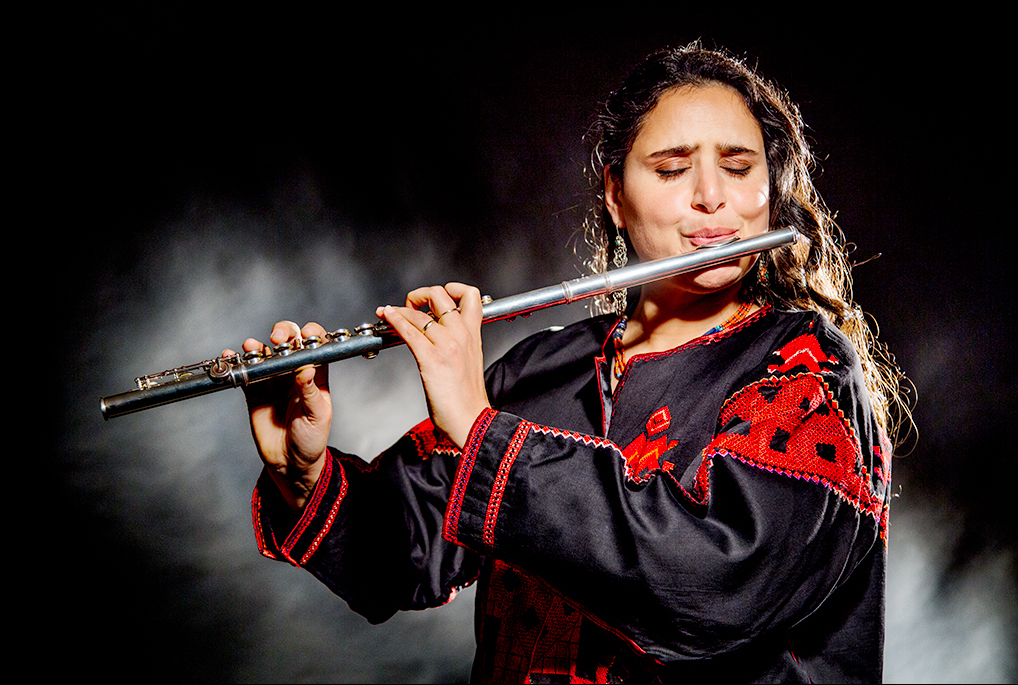
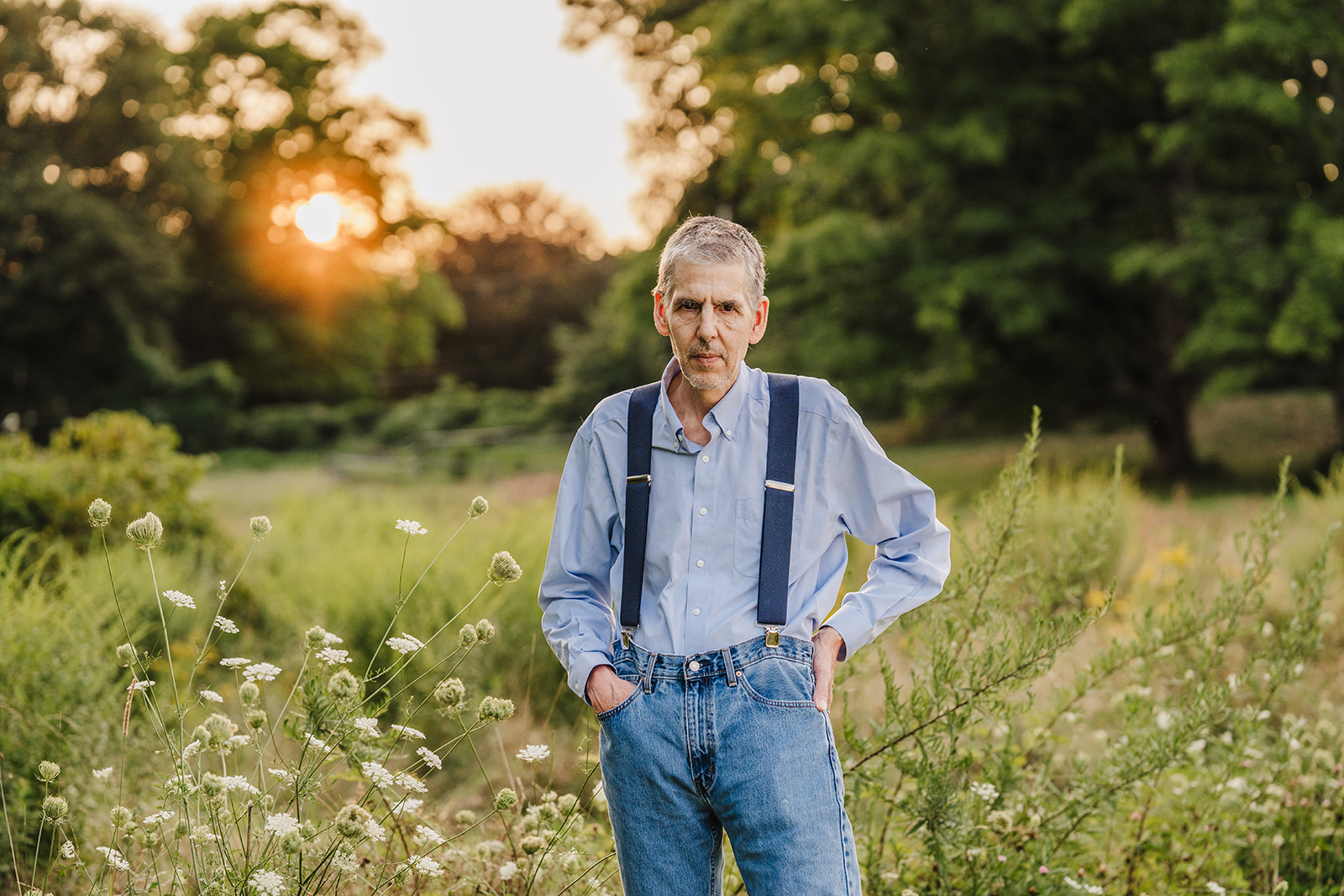
Naïssam Jalal Interview Image by Seka
“Music can be amazing, very well done - but if it’s not touching my soul it has no meaning.“